Common Chimney Problems Found During Inspections
To identify and address common chimney problems found during inspections, local service providers can assess issues like creosote buildup, cracks, or blockages to ensure safe and efficient operation.
Homeowners and property owners in the area often find that regular chimney inspections are essential for maintaining safety and ensuring efficient operation. During these inspections, common chimney problems found can include creosote buildup, cracked or damaged flue liners, and obstructions like nests or debris. Recognizing these issues early can prevent costly repairs and reduce the risk of chimney fires or other hazards. Whether a property is used seasonally or year-round, understanding what to look for helps owners keep their chimneys in good condition, and local contractors specializing in chimney inspections are well-equipped to identify these common problems.
Exploring this topic is particularly relevant for those who rely on their fireplaces or heating systems during colder months, or who want to ensure their chimney is safe and functioning properly. Regular inspections by experienced service providers can uncover issues that might not be visible to the untrained eye, saving property owners time and worry. By learning about the typical problems found during inspections, homeowners can better understand the importance of professional evaluations and how local experts can assist in addressing any concerns, helping to keep their homes safe and their chimneys in optimal shape.
- Chimney Inspection - homeowners noticing draft issues or smoke backup may need an inspection to identify common chimney problems found during inspections.
- Chimney Repair - when inspections reveal cracked mortar or damaged flue liners, local contractors can assess and address these common chimney problems found during inspections.
- Chimney Crown Repair - signs of deterioration or water intrusion during inspections indicate the need for crown repairs to prevent further damage.
- Chimney Flue Inspection - inspections that uncover creosote buildup or blockages help local pros determine if flue cleaning or repairs are necessary.
- Chimney Waterproofing - evidence of water damage or moisture issues during inspections suggest waterproofing services to mitigate common chimney problems found during inspections.
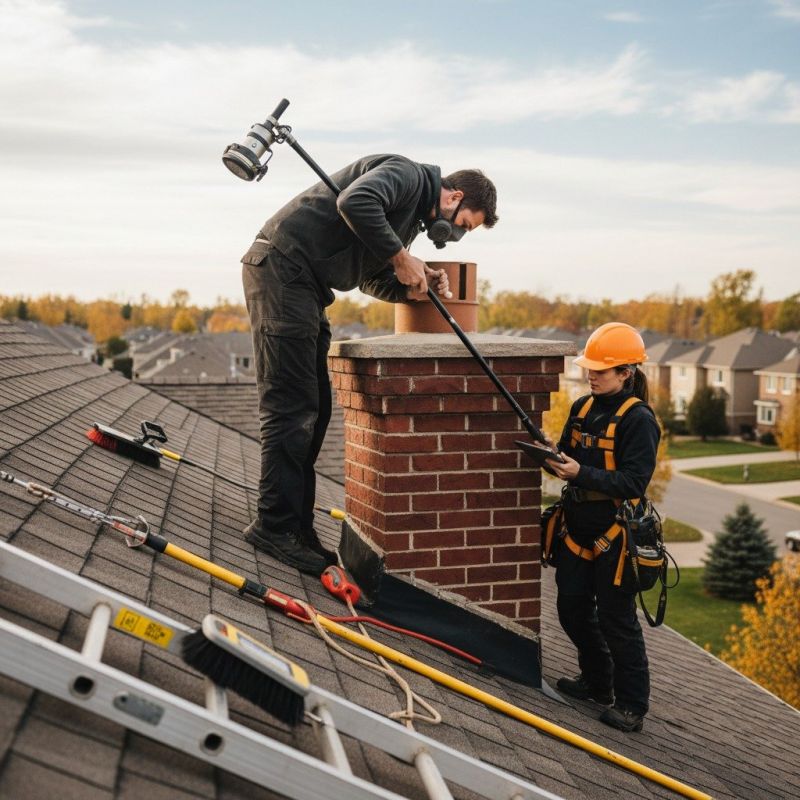
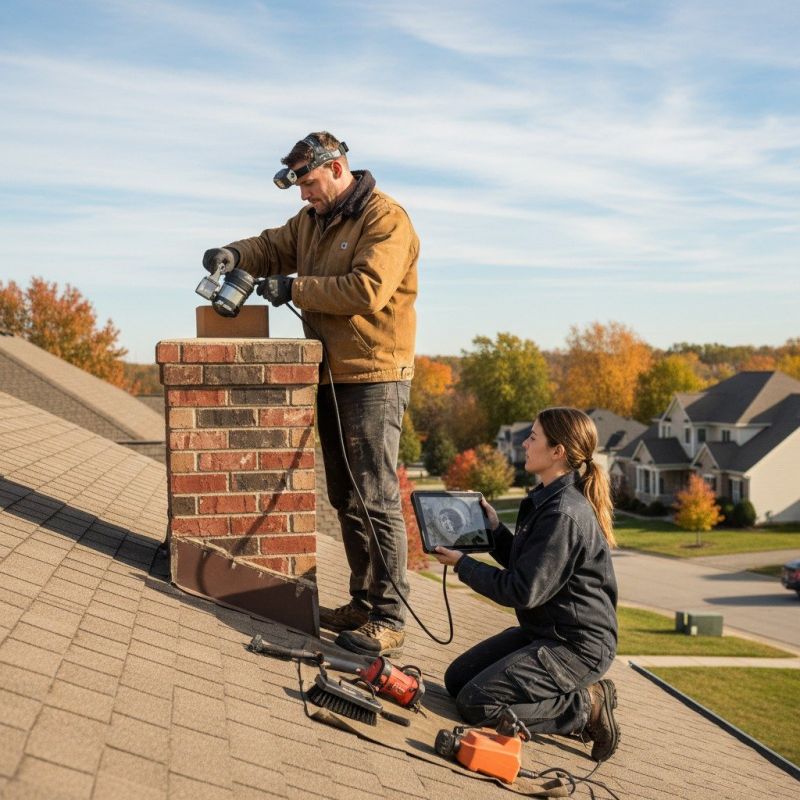
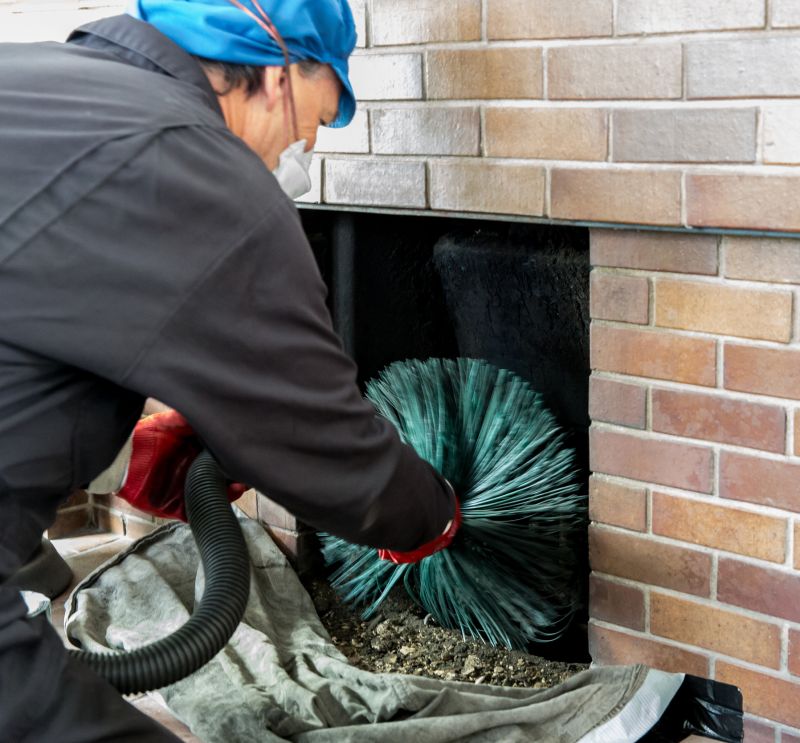
When homeowners search for information about common chimney problems found during inspections, they are often concerned about issues that could impact safety, efficiency, or the longevity of their fireplace or stove. These problems typically relate to the condition of the chimney’s structure, the flue lining, and the exterior masonry. Understanding what inspectors look for helps homeowners recognize potential hazards or costly repairs before they develop into more serious concerns. Many search queries are driven by the desire to identify signs of trouble early, especially if a chimney has not been inspected in several years or if there are visible signs of deterioration around the property.
The types of problems commonly uncovered during inspections are varied but frequently include cracked or crumbling mortar joints, damaged or missing chimney crowns, and deteriorated flue linings. These issues can lead to leaks, water intrusion, or even fire hazards if left unaddressed. Blockages caused by creosote buildup or debris are also common, especially in chimneys that have seen infrequent use. Inspections often reveal structural issues such as leaning or bulging masonry, which may indicate foundational problems or compromised support. Recognizing these problems allows homeowners to plan repairs and maintenance with the help of local contractors who specialize in chimney services.
Chimney problems found during inspections are not limited to residential properties; they are also common in commercial buildings, multi-family units, and older homes. Properties with a history of neglect, exposure to harsh weather, or poor construction quality tend to experience more frequent issues. Homes in regions with high rainfall or freeze-thaw cycles often face water damage and frost-related cracking. Additionally, properties with wood-burning fireplaces or stoves are more prone to creosote buildup and related hazards. When searching for solutions, homeowners often seek out local service providers who can evaluate the specific needs of their property, recommend appropriate repairs, and ensure the chimney functions safely and efficiently.
Understanding common chimney problems found during inspections helps homeowners connect the importance of regular checkups with maintaining a safe and functional fireplace or stove. These inspections are vital for identifying issues early, preventing costly repairs, and ensuring compliance with safety standards. Local contractors who specialize in chimney services are equipped to diagnose and address a wide range of problems, offering tailored solutions based on the property’s age, type, and condition. For homeowners planning a new installation, renovation, or routine maintenance, working with experienced local pros ensures that potential issues are identified and resolved before they escalate into more significant concerns.
Chimney Repair Projects - These projects often require similar inspection skills and tools to identify structural issues and prevent further damage.
Fireplace Installation Services - Proper planning and safety considerations are essential, aligning closely with the inspection process for identifying common chimney problems.
Masonry Restoration - Masonry work involves assessing and repairing brick and mortar, which is a key aspect of inspecting and addressing chimney problems.
Flue and Venting System Upgrades - Upgrading venting systems requires understanding of chimney components and common issues found during inspections.
Chimney Crown and Cap Replacement - Replacing caps and crowns involves inspecting for damage and ensuring proper fit, similar to identifying issues during inspections.
Damp Proofing and Waterproofing - These projects focus on preventing moisture intrusion, which is often a concern revealed during chimney inspections.
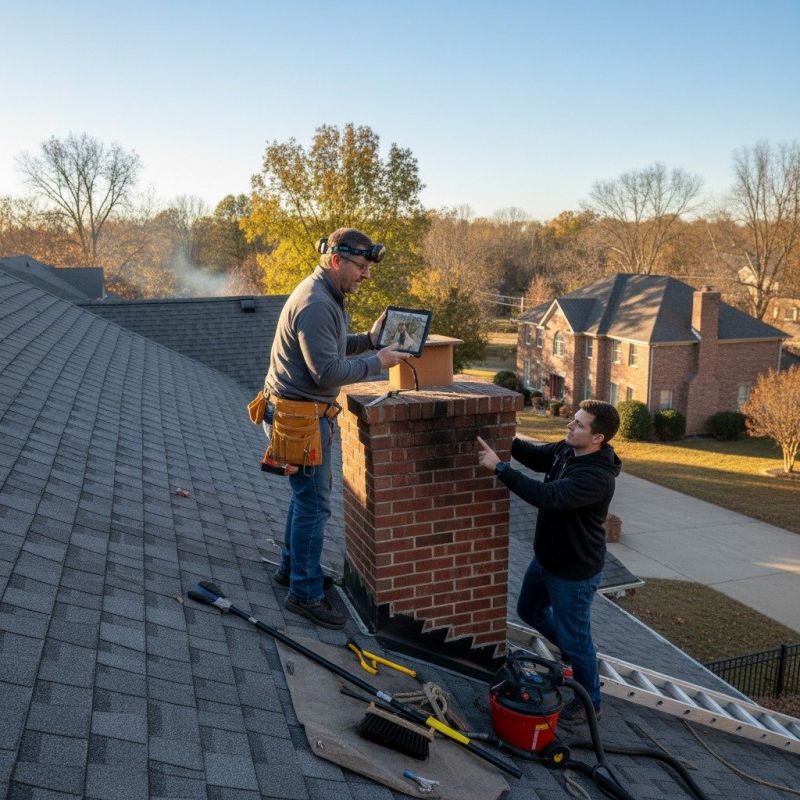
When evaluating local contractors for chimney inspection services, it’s important to consider their experience with similar projects. Since common chimney problems found during inspections can vary widely-from creosote buildup to structural damage-working with service providers who have a proven track record handling these issues can lead to more accurate assessments and effective solutions. Asking for references or examples of past work related to chimney inspections can help gauge their familiarity with common problems and their ability to identify and address them thoroughly.
Clear written expectations are essential when choosing a chimney inspection service. A reputable local contractor should be able to provide detailed descriptions of what their inspection will cover, including the scope of the visual examination and any diagnostic tests used. This clarity helps ensure that both parties understand the process and what to expect, reducing misunderstandings or surprises later on. Additionally, well-defined expectations can serve as a basis for discussing potential repairs or maintenance recommendations that might arise from identifying common chimney problems during inspections.
Good communication is a key factor in selecting a reliable service provider. Local contractors who prioritize transparent and responsive communication can make the inspection process smoother and more informative. They should be willing to answer questions, explain their findings in understandable terms, and discuss potential next steps. When comparing options, paying attention to how well a contractor communicates can provide insight into their professionalism and commitment to customer service, which can be especially valuable when dealing with complex issues like common chimney problems found during inspections.
Property owners often search for common chimney problems found during inspections when they are planning practical projects around their homes and businesses. Local pros provide Chimney Inspection services for everyday jobs and straightforward project options.
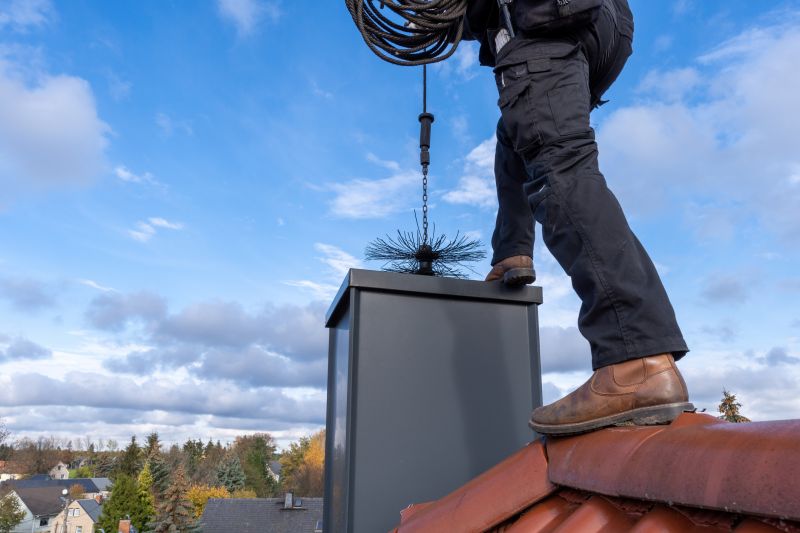

Homeowners often seek out information on common chimney problems found during inspections to better understand potential issues that could impact their heating systems or safety. During routine checks, inspectors frequently identify issues such as creosote buildup, cracked or deteriorated mortar joints, and damaged chimney caps. These problems can develop over time due to weather exposure, use patterns, or age, making regular inspections an important step in maintaining a safe and efficient chimney. Property owners in the area who notice signs like smoke odors, drafts, or visible damage may consider connecting with local contractors experienced in chimney inspections to address these common concerns before they lead to more serious repairs.
Understanding the typical problems uncovered during inspections can help property owners prioritize maintenance and avoid costly repairs down the line. Common chimney issues include blockages caused by debris or animal nests, damaged flue liners, and rust or corrosion on metal components. These issues often stem from neglect, weather damage, or improper installation, and can compromise the chimney’s performance or safety. Local service providers who specialize in chimney inspections are equipped to identify these problems early, offering solutions to keep chimneys functioning safely and efficiently. Consulting with experienced contractors can be a proactive step for homeowners wanting to ensure their chimney remains in good condition.
What are common chimney problems found during inspections? Common issues include cracked or missing mortar joints, creosote buildup, damaged or deteriorated chimney caps, and cracked or crumbling bricks that can compromise the chimney’s integrity.
How can a cracked chimney crown affect the chimney’s performance? Cracks in the chimney crown can allow water to seep into the structure, leading to further deterioration, mold growth, and potential damage to the underlying masonry.
Why is creosote buildup a concern during chimney inspections? Creosote is a flammable substance that accumulates from burning wood, and excessive buildup increases the risk of chimney fires if not properly cleaned by local contractors.
What damage can deteriorated chimney flashing cause? Damaged or improperly sealed flashing can lead to leaks, water damage, and mold growth inside the chimney and adjacent areas.
What are signs of damaged or missing chimney caps? Visible debris, animal nests, or water stains around the chimney top can indicate missing or damaged caps, which can allow water, debris, and pests to enter the chimney system.
Creosote buildup - property owners can schedule regular chimney inspections to identify and remove creosote, reducing fire risks.
Cracked or damaged chimney crowns - inspecting for and repairing cracks can prevent water intrusion and further deterioration.
Obstructions and debris - clearing out blockages during inspections ensures safe and efficient venting of smoke and gases.
Loose or deteriorated mortar joints - repairing mortar can help maintain chimney stability and prevent structural issues.
If you are thinking about common chimney problems found during inspections for a property, this guide is meant to help you understand this topic, the typical project types, and how different options might fit your plans.
When you are ready, you can use the quote form on this page to share a few details about your project. From there, local pros can review the basics and follow up with options that match what you have in mind.